Introduction
In the name of Allah, the Most Merciful, the Most Compassionate. Peace, Allah’s mercy and His blessings be upon you.
Welcome, dear brothers, to this new episode of your programme, ‘Halaqa Online’.
Reliance upon Allah (tawakkul) in the History of the Ummah
Dear brothers, anyone who reads the history of the Islamic Ummah finds that it undertook advances unlike anything known among other nations. The Muslims left the Arabian Peninsula and simultaneously confronted two great empires, then the greatest empires in the world: the Byzantine Roman Empire and the Persian Empire.
Anyone looking at this scene at its beginning would say: Who are these madmen? Arabs setting out with bare chests? They do not know the weaponry known to those people. They possess neither the numbers nor the equipment possessed by the Persians and Romans. They have no experience of the warfare known to the Romans and Persians. They set out in their thousands to confront hundreds of thousands of fighters.
On what basis did these people rely? Where did their confidence come from? They were filled with confidence like towering mountains; they set out secure and certain that Allah, exalted is He, would grant them victory.
And so matters remained in the age of the Companions’ successors and those who followed them—not to mention throughout Islamic history—abounding in stories and events that astound any reader.
Muslims enter into battles where they are far fewer in number and resources than their enemies and adversaries. They break through enemy ranks, surmount the most difficult challenges—Allah, exalted be He, grants them victory over their foes.
The noble Companions—within just a few years, within mere months—overthrew the Persian Empire that had endured for centuries across generations. They repelled the Roman Empire from Syria and North Africa, then persisted in their struggle against it until they completely destroyed it.
Where did these people acquire such resolve, such confidence? The answer is one: they possess in their creed what no other nation possesses—reliance upon Allah. Reliance upon Allah, exalted be He, is a distinctive trait of this ummah and the prophets before them—a quality that no other nation knows.
Material and iman-based preparation
Nations confront one another with their military equipment, armies, numbers and resources. Nations compete with one another. Those who think in purely material terms and know no connection to Allah, the Exalted, compete only in building up their numbers. The arms race is therefore the only consideration in war among those nations.
For the Islamic Ummah, the matter is entirely different. Muslims are prepared to wage war while knowing that the purely material causes they possess are far fewer than those of their enemy. Yet they proceed while relying upon Allah, the Exalted, for they have memorised the words of Allah, the Exalted:
﴿ إِن تَنصُرُوا۟ ٱللَّهَ يَنصُرْكُمْ وَيُثَبِّتْ أَقْدَامَكُمْ ﴾
‘If you support Allah, He will support you and make your feet firm’ [47:7]
No one should understand me as belittling preparation, for it is a duty imposed by Allah, the Exalted. He said:
﴿ وَأَعِدُّوا۟ لَهُم مَّا ٱسْتَطَعْتُم مِّن قُوَّةٍ وَمِن رِّبَاطِ ٱلْخَيْلِ تُرْهِبُونَ بِهِۦ عَدُوَّ ٱللَّهِ وَعَدُوَّكُمْ ﴾
‘And prepare against them whatever force you can muster and warhorses, by which you may strike fear into the enemy of Allah and your enemy’ [8:60]
And Allah, the Exalted, said:
﴿ وَأَنفِقُوا۟ فِى سَبِيلِ ٱللَّهِ وَلَا تُلْقُوا۟ بِأَيْدِيكُمْ إِلَى ٱلتَّهْلُكَةِ ﴾
‘And spend in the way of Allah, and do not cast yourselves into destruction with your own hands’ [2:195]
What is meant by spending in the way of Allah is spending on preparing for combat in His cause—for this is material preparation.
What distinguishes the Muslims is that they do not give material preparation the highest rank; it comes second. The first preparation is iman-based, creed-based, moral and psychological preparation.
When the believer is armed with his iman and his trust in Allah, the Exalted, looks forward to a Paradise as wide as the heavens and the earth, relies upon his Lord and entrusts his affair to Allah, he has thereby prepared something his enemy can never possess under any circumstances.
This psychological, iman-based and moral preparation joins the material preparation. Together they form the strongest force history has known among the forces that changed the course of history.
Reliance upon Allah accompanies the believer in every deed
I may have highlighted and given an example concerning jihad and fighting, but reliance upon Allah, the Exalted, accompanies the believer—as an individual, community, Ummah and state—in every action and every circumstance.
You undertake every matter in your life while relying upon Allah, the Exalted.
You may have no helper in this world and may have no equipment, yet you go out to speak the word of truth, relying upon Allah, the Exalted, to reward you. Either He saves you from your enemy, so you receive the reward from Allah and He keeps you safe in this world, or you go to Allah in the best state in which a person can leave this world.
You go out with reliance upon Allah, the Most High, when seeking provision; you go out with reliance upon Allah, the Most High, when seeking marriage; you go out with reliance upon Allah, the Most High, when seeking knowledge; you go out with reliance upon Allah, the Most High, in carrying the da’wah.
Reliance upon Allah, the Exalted, accompanies you in every state: before undertaking an action, while performing it, and after completing it. You rely upon Allah, the Mighty and Sublime, in all circumstances.
Between theoretical acknowledgment and the reality of reliance upon Allah (tawakkul)
Reliance upon Allah (tawakkul) is a matter accepted by all believers. However, there is a difference between those who rely upon Him in theory or merely acknowledge reliance upon Him theoretically and those who truly understand reliance upon Allah—those who know its true essence and practise it, acting upon it as their foundation.
I speak about this subject as we all see many Muslims who acknowledge that reliance upon Allah is obligatory. Whoever denies reliance upon Allah is a disbeliever, because he denies something definitively established in the religion. Reliance upon Allah, the Exalted—as we shall read in several verses—appears in decisive evidence. The Qur’an is definitive in transmission, and its verses commanding reliance are definitive in meaning.
The problem that has arisen among some Muslims is that they have not properly understood the meaning of reliance. Consequently, they have not truly relied upon Allah, the Exalted.
Evidence of reliance upon Allah (tawakkul) from the Qur’an and the Sunnah
Let us begin by reading together some verses that command reliance upon Allah, the Exalted. Allah, the Most High, says:
﴿ ٱللَّهُ لَآ إِلَـٰهَ إِلَّا هُوَ ۚ وَعَلَى ٱللَّهِ فَلْيَتَوَكَّلِ ٱلْمُؤْمِنُونَ ﴾
‘Allah—there is no deity except Him. So let the believers rely upon Allah’ [64:13]
And He, the Exalted, says:
﴿ وَتَوَكَّلْ عَلَى ٱللَّهِ ۚ وَكَفَىٰ بِٱللَّهِ وَكِيلًا ﴾
‘And rely upon Allah. Allah is sufficient as Trustee’ [33:3]
And He, the Mighty and Majestic, says:
﴿ إِن يَنصُرْكُمُ ٱللَّهُ فَلَا غَالِبَ لَكُمْ ۖ وَإِن يَخْذُلْكُمْ فَمَن ذَا ٱلَّذِى يَنصُرُكُم مِّنۢ بَعْدِهِۦ ۗ وَعَلَى ٱللَّهِ فَلْيَتَوَكَّلِ ٱلْمُؤْمِنُونَ ﴾
‘If Allah supports you, none can overcome you; but if He forsakes you, who can support you after Him? So let the believers rely upon Allah’ [3:160]
And He, the Exalted, says:
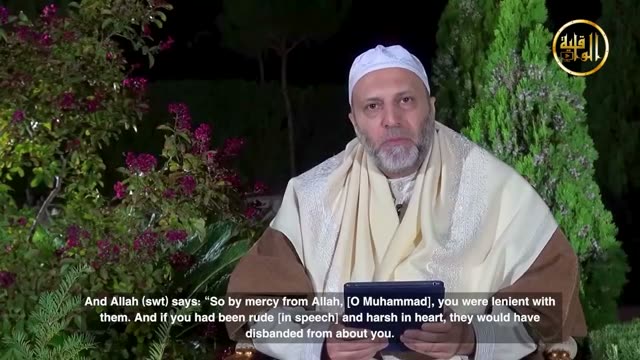
﴿ فَبِمَا رَحْمَةٍ مِّنَ ٱللَّهِ لِنتَ لَهُمْ ۖ وَلَوْ كُنتَ فَظًّا غَلِيظَ ٱلْقَلْبِ لَٱنفَضُّوا۟ مِنْ حَوْلِكَ ۖ فَٱعْفُ عَنْهُمْ وَٱسْتَغْفِرْ لَهُمْ وَشَاوِرْهُمْ فِى ٱلْأَمْرِ ۖ فَإِذَا عَزَمْتَ فَتَوَكَّلْ عَلَى ٱللَّهِ ۚ إِنَّ ٱللَّهَ يُحِبُّ ٱلْمُتَوَكِّلِينَ ﴾
‘By a mercy from Allah you were gentle with them. Had you been harsh and hard-hearted, they would have dispersed from around you. So pardon them, seek forgiveness for them and consult them in the matter. Then, when you have resolved, rely upon Allah. Allah loves those who rely upon Him’ [3:159]
And He, the Most High, says:
﴿ إِنَّمَا ٱلْمُؤْمِنُونَ ٱلَّذِينَ إِذَا ذُكِرَ ٱللَّهُ وَجِلَتْ قُلُوبُهُمْ وَإِذَا تُلِيَتْ عَلَيْهِمْ ءَايَـٰتُهُۥ زَادَتْهُمْ إِيمَـٰنًا وَعَلَىٰ رَبِّهِمْ يَتَوَكَّلُونَ ﴾
‘The believers are only those whose hearts tremble when Allah is mentioned, whose iman increases when His verses are recited to them, and who rely upon their Lord’ [8:2]
And He, the Exalted, says:
﴿ قُل لَّن يُصِيبَنَآ إِلَّا مَا كَتَبَ ٱللَّهُ لَنَا هُوَ مَوْلَىٰنَا ۚ وَعَلَى ٱللَّهِ فَلْيَتَوَكَّلِ ٱلْمُؤْمِنُونَ ﴾
‘Say: Nothing will ever befall us except what Allah has written for us. He is our Protector. So let the believers rely upon Allah’ [9:51]
And He, the Mighty and Majestic, says:
﴿ فَقُلْ حَسْبِىَ ٱللَّهُ لَآ إِلَـٰهَ إِلَّا هُوَ ۖ عَلَيْهِ تَوَكَّلْتُ ۖ وَهُوَ رَبُّ ٱلْعَرْشِ ٱلْعَظِيمِ ﴾
‘Then say: Allah is sufficient for me. There is no deity except Him. Upon Him I rely, and He is Lord of the Mighty Throne’ [9:129]
And He, the Exalted, says:
﴿ قُلْ حَسْبِىَ ٱللَّهُ ۖ عَلَيْهِ يَتَوَكَّلُ ٱلْمُتَوَكِّلُونَ ﴾
‘Say: Allah is sufficient for me. Upon Him rely those who rely’ [39:38]
And He, the Most High, says:
﴿ ٱلَّذِينَ قَالَ لَهُمُ ٱلنَّاسُ إِنَّ ٱلنَّاسَ قَدْ جَمَعُوا۟ لَكُمْ فَٱخْشَوْهُمْ فَزَادَهُمْ إِيمَـٰنًا وَقَالُوا۟ حَسْبُنَا ٱللَّهُ وَنِعْمَ ٱلْوَكِيلُ فَٱنقَلَبُوا۟ بِنِعْمَةٍ مِّنَ ٱللَّهِ وَفَضْلٍ لَّمْ يَمْسَسْهُمْ سُوٓءٌ وَٱتَّبَعُوا۟ رِضْوَٰنَ ٱللَّهِ ۗ وَٱللَّهُ ذُو فَضْلٍ عَظِيمٍ ﴾
‘those to whom people said: The people have gathered against you, so fear them. But this increased them in iman, and they said: Allah is sufficient for us, and He is the best Disposer of affairs. So they returned with grace and bounty from Allah; no harm touched them. They pursued Allah’s pleasure, and Allah is Possessor of immense bounty’ [3:173–174]
The Prophet, may Allah bless him and grant him peace, informed us, as he said: «لَوْ أَنَّكُمْ تَوَكَّلْتُمْ عَلَى اللَّهِ حَقَّ تَوَكُّلِهِ، لَرَزَقَكُمْ كَمَا يَرْزُقُ الطَّيْرَ؛ تَغْدُو خِمَاصًا وَتَرُوحُ بِطَانًا» [Sunan Ibn Majah 4164] — ‘If you were to rely upon Allah as He ought to be relied upon, He would provide for you as He provides for the birds: they go out in the morning hungry and return in the evening with full bellies.’ They go out in the morning hungry, with empty stomachs, and return with full bellies.
And he, may Allah bless him and grant him peace, said: «يَدْخُلُ الْجَنَّةَ مِنْ أُمَّتِي سَبْعُونَ أَلْفًا بِغَيْرِ حِسَابٍ؛ هُمُ الَّذِينَ لَا يَسْتَرْقُونَ، وَلَا يَكْتَوُونَ، وَعَلَى رَبِّهِمْ يَتَوَكَّلُونَ» [Sahih Muslim 218a] — ‘Seventy thousand from my Ummah will enter Paradise without reckoning. They are those who do not ask others to perform ruqyah for them, do not cauterise themselves, and rely upon their Lord.’
This is but a small portion of the verses and hadiths that enjoin reliance upon Allah, the Most High.
The meaning of reliance upon Allah (tawakkul)
What, then, is reliance upon Allah, my honourable brothers? In linguistic terms, it means submission.
When you entrust your affair to Allah, the Exalted, you submit it and commit it to Him.
When you rely upon Allah, the Mighty and Majestic, you entrust your affair to Him and submit it to Him. Allah, the Exalted, is your Trustee. Allah, the Mighty and Majestic, has undertaken your care; that is, He has taken responsibility for you.
Consider the believer: when does he rely upon Allah? What is reliance? It is submission to Allah, the Exalted, entrusting the affair to Him, depending upon Him, the Mighty and Majestic, and appointing Allah, the Exalted, as Trustee. Allah, the Mighty and Majestic, has taken charge of you in that matter.
This means that reliance upon Allah is not present in the believer in any circumstance, whereas what is obligatory is that he rely upon Allah, the Mighty and Majestic, in every circumstance.
From the moment you believed in Allah, the Exalted, and took Him as your Lord, your reliance upon Allah, the Mighty and Majestic, began.
From the moment you sought His guidance and asked Him to guide you, you relied upon Him. When you received this guidance, followed it and acted upon it, you acted while relying upon Allah, the Exalted.
When you persevere in the command of Allah, the Exalted, despite hardships and difficulties at times, then by doing so you are practising reliance upon Allah.
When you act to achieve what Allah, the Exalted, has required of you, and when you act while seeking to achieve the required results, you do so while relying upon Allah, the Mighty and Majestic.
When you seek from Allah, the Exalted, success and triumph, then in that you are placing reliance upon Allah, the Mighty and Majestic.
The example of the farmer who relies upon Allah
When the farmer sets out to seek seeds in order to plant them, fully assured that these seeds will only sprout by the command of Allah, may He be exalted—with His permission and according to what He has decreed for them—and he plants them because Allah, may He be exalted, has commanded their sowing and cultivation.
He tends to it and waters it while being fully convinced that only Allah, glorified and exalted, grants success. When he waits for its growth with certainty that Allah alone is the Provider, then he relies upon Allah, the Almighty.
When he harvests it to earn money from it, he relies upon Allah, the Mighty and Majestic. When he receives the money, spends it in obedience to Allah and praises Allah, the Exalted, he relies upon Allah, the Mighty and Majestic, throughout all of this.
When you do what Allah, the Exalted, has commanded and seek to achieve the results He has commanded, people ask: ‘Do you expect this small effort, your limited capacity and your few material causes to achieve the results you seek?’ The believer acts because Allah, the Exalted, has commanded him, and he therefore relies upon Allah, the Mighty and Majestic.
How many believers in Allah who truly relied upon Him have achieved results that people would never expect, given their few options and limited material causes? Yet they achieved what they achieved, and Allah, the Exalted, granted them success because they relied upon Him, the Mighty and Majestic.
Two errors in understanding reliance upon Allah and taking the causes
Therefore, reliance upon Allah, the Exalted, is not mere words. Reliance does not mean—as people think—that you undertake matters while abandoning the taking of causes. It is not as people think.
People have divided into two groups over reliance upon Allah. One group says that reliance means abandoning the taking of causes and leaving matters to Allah, the Exalted. Such a person does not pursue the avenues of provision or victory, nor the causes available in this worldly life. He waits for Allah, the Exalted, to give him what he wants because, as he claims, he relies upon Allah, the Mighty and Majestic. This group has misunderstood reliance.
By contrast, another group understands reliance upon Allah, the Exalted, to mean taking the causes. They say that taking the causes is part of reliance upon Allah, or one of its meanings.
Some of them therefore say that reliance is taking the causes: if you take the causes, you rely upon Allah. This is also wrong.
Why? Because reliance upon Allah, the Exalted, is an iman-based state that is connected neither to taking the causes nor to abandoning them. It continues before taking the causes, while taking them and after taking them.
Taking the causes is an obligation imposed by Allah, the Exalted. It is the method for obtaining things, achieving results and reaching objectives. It is a method prescribed by Allah, the Exalted: the person acts, creates a cause, takes the causes, pursues the available avenues and follows the paths that lead to the objectives. But this obligation is separate from the obligation to rely upon Allah, the Exalted.
The hadith ‘Tie her and rely upon Allah’
Of course, many people turn to the hadith in which the Messenger, may Allah bless him and grant him peace, says: «اعْقِلْهَا وَتَوَكَّلْ» [Jami‘ al-Tirmidhi 2517] — ‘Tie her and rely upon Allah.’ They say: Here the Prophet, may Allah bless him and grant him peace, linked reliance upon Allah with action and work.
The origin of this hadith is that a man asked the Prophet (saw), as he was entering the mosque while leading his she-camel, what to do with it.
He said: ‘O Messenger of Allah, should I let her go and rely upon Allah, or should I tie her and rely upon Allah?’
In another narration: Should I let it go and place reliance upon Allah (tawakkul), or should I tie it up, restrain it, and then place reliance upon Allah?
He, may Allah bless him and grant him peace, said: «اعْقِلْهَا وَتَوَكَّلْ» [Jami‘ al-Tirmidhi 2517] — ‘Tie her and rely upon Allah.’
This hadith was the Messenger of Allah’s response to the man who asked him: Does reliance upon Allah mean that I do not take the causes, or do I take the causes while relying upon Allah?
The Prophet clarified to him that reliance upon Allah does not conflict with taking the causes. Taking the causes is obligatory, and reliance upon Allah is obligatory.
This hadith does not mean at all that reliance upon Allah means taking the causes. Taking the causes is obligatory, and reliance upon Allah is obligatory.
When the matter became confused—or appeared likely to become confused—for the man who thought, or almost thought, that reliance upon Allah meant abandoning the taking of causes, the Prophet instructed him that reliance does not mean abandoning the causes. Take the causes: that is one obligation. Also rely upon Allah: that is another obligation.
Reliance upon Allah before action, during it, and after it
Some people understand the hadith to mean that you first take the causes and act, and then rely upon Allah.
Some people, knowingly or unknowingly, have even distorted the hadith by saying: ‘Tie her, then rely upon Allah.’ They thereby place reliance after the action, which is a serious error.
For reliance upon Allah is indeed a state that constantly attends the believer in all conditions.
Listen to Allah’s words that we read a short while ago:
﴿ وَشَاوِرْهُمْ فِى ٱلْأَمْرِ ۖ فَإِذَا عَزَمْتَ فَتَوَكَّلْ عَلَى ٱللَّهِ ﴾
‘and consult them in the matter. Then, when you have resolved, rely upon Allah’ [3:159]
﴿ فَإِذَا عَزَمْتَ فَتَوَكَّلْ عَلَى ٱللَّهِ ﴾
‘Then, when you have resolved, rely upon Allah’ [3:159]
What follows resolve? Action. Allah, the Exalted, has described action by saying, ‘then rely upon Allah.’ The meaning is: if you have resolved, then act with reliance upon Allah, the Exalted.
Nor does this mean that the verse restricts reliance upon Allah, the Mighty and Majestic, to the beginning of the action. When you resolve to obey Allah, the Exalted, consult others and think, you already rely upon Allah. When you begin the action, you also act while relying upon Allah: you act in accordance with Allah’s command, remain committed to His command, direct your work according to His commands and prohibitions, and trust that Allah, the Exalted, will grant you success if you act according to His command.
When you have resolved, rely upon Allah. This is the meaning of reliance that accompanies the believer.
From the moment he was guided to obedience to Allah, the Exalted, and belief in Allah, the Mighty and Majestic; from the moment he decided to follow Allah’s commands and direct all his actions according to His commands and prohibitions; from the moment he began the action and adhered to this command; and from the moment he performed actions through which Allah, the Exalted, commanded the believer to achieve aims and objectives—confident that Allah, the Exalted, will grant him and realise them for him if he deserves it—he relies upon Allah, the Exalted.
Steadfastness in Allah’s command despite hardships
The believer’s reliance upon Allah, the Mighty and Majestic, becomes evident when he proceeds to obey Allah, the Exalted, despite the difficulties, hardships, dangers, many enemies and few material causes.
As long as Allah, the Exalted, has commanded it, then Allah, the Exalted, guarantees the realisation of whatever stems from His command to me.
Allah, exalted is He, has commanded us to support His religion, and promised that if we support it, He will surely support us.
﴿ إِن تَنصُرُوا۟ ٱللَّهَ يَنصُرْكُمْ وَيُثَبِّتْ أَقْدَامَكُمْ ﴾
‘If you support Allah, He will support you and make your feet firm’ [47:7]
Despair over the nation’s reality and the absence of reliance upon Allah (tawakkul)
In the reality we live in today, many people say: How can this Ummah be victorious? How can it change this situation? That is, how can it change this reality while the nations of the earth lie in wait for it?
They say: Do you not see what these earthly kingdoms—from America to Russia, China and Europe, even Iran—have done? Do you not see what they have inflicted upon the believers, upon Muslims, when they stood up against their rulers? Look at Syria. Look at Iraq. Observe how our enemies amass against us from every direction.
They seek to prevent our revival and liberation. How can we change this situation?
This condition of despair, of hopelessness and frustration, has driven many to declare: there is no hope for this nation’s revival except through the emergence of the Mahdi.
If everyone thought this way, no Mahdi would emerge, because the Mahdi is one of these people. He is neither a sent Prophet nor an angel descending from heaven. He is a human being and one of the leaders of the believers.
Such thinking—which in no way reflects reliance upon Allah, the Exalted—leads believers to a state of discouragement, to a state of hopelessness.
Had they truly trusted Allah, the Exalted, and understood the meaning of reliance upon Allah, the Mighty and Majestic, they would have been certain that if they fulfilled their obligations and deserved Allah’s victory, He would grant them victory. After granting them victory, He would make their feet firm. This is a promise from Allah, the Exalted.
The Messenger of Allah and Mus’ab ibn ‘Umayr as models in reliance upon Allah (tawakkul)
Who could have imagined, when Muhammad (saw) was sent, that this one man could change the course of history in the blink of an eye?
Someone may say: ‘This is the Messenger of Allah, and prophets are granted victory through miracles from Allah, the Exalted.’
No, the Prophet (saw) was not granted victory through a miracle. Rather, he struggled, defended and strove. He suffered harm, was pelted with stones, and blood flowed from his noble feet.
He was driven from place to place and fought.
He invited his people in Makkah to Islam, yet none of them responded except for a very few.
But Allah, the Exalted, showed us—so that He might teach us—how the people of Madinah embraced Islam at the hands of a noble young Companion, Mus’ab ibn ‘Umayr, who learned reliance upon Allah from the Messenger of Allah (saw).
He went to Madinah, where there were only a few Muslims. Allah, the Exalted, then granted success at his hands, and people believed in the call that he carried while relying upon his Lord. The leaders of the people believed, and their people then followed them.
Before the people of Madinah believed, the Prophet (saw) and his Companions were driven from place to place and subjected to the worst torment. Yet their reliance upon Allah, the Exalted, brought them to what Allah, the Mighty and Majestic, had promised them.
﴿ وَعَدَ ٱللَّهُ ٱلَّذِينَ ءَامَنُوا۟ مِنكُمْ وَعَمِلُوا۟ ٱلصَّـٰلِحَـٰتِ لَيَسْتَخْلِفَنَّهُمْ فِى ٱلْأَرْضِ كَمَا ٱسْتَخْلَفَ ٱلَّذِينَ مِن قَبْلِهِمْ وَلَيُمَكِّنَنَّ لَهُمْ دِينَهُمُ ٱلَّذِى ٱرْتَضَىٰ لَهُمْ وَلَيُبَدِّلَنَّهُم مِّنۢ بَعْدِ خَوْفِهِمْ أَمْنًا ۚ يَعْبُدُونَنِى لَا يُشْرِكُونَ بِى شَيْـًٔا ۚ وَمَن كَفَرَ بَعْدَ ذَٰلِكَ فَأُو۟لَـٰٓئِكَ هُمُ ٱلْفَـٰسِقُونَ ﴾
‘Allah has promised those of you who have iman and do righteous deeds that He will surely make them successors in the land, just as He made those before them successors; that He will firmly establish for them their religion, which He has approved for them; and that He will replace their fear with security. They worship Me, associating nothing with Me. Whoever disbelieves after that—it is they who are defiantly disobedient’ [24:55]
Allah’s promise to the believers of victory and empowerment
Allah’s promise is this: if you fulfil your duty as Allah, the Exalted, commanded, relying upon Him, taking everything He commanded—including adhering to the Shari’ah rulings and taking the causes—and advancing with confidence in and reliance upon Allah, then Allah, the Exalted, has promised you victory.
Messages from the Messenger of Allah to the kings of the earth
Who would have imagined it? Who would have believed that a man governing a city—Muhammad, may Allah bless him and grant him peace, governed Madinah—would send letters to the kings of the earth: to Heraclius, ruler of the Romans; to Khosrow, ruler of the Persians; to al-Muqawqis; and to others—to the kings and rulers of the earth—saying to each of them: «أَسْلِمْ تَسْلَمْ، يُؤْتِكَ اللَّهُ أَجْرَكَ مَرَّتَيْنِ» [Sahih al-Bukhari 7] — ‘Embrace Islam and you will be safe; Allah will grant you your reward twice.’
Could a person who does not know the meaning of reliance upon Allah, the Exalted, send letters to the kings of the earth while ruling a city?
A man ruled a city, and only a few Arab tribes had believed in him. Before the conquest of Makkah, before the conquest of Ta’if and before Islam had spread across the Arabian Peninsula, he sent letters to the kings of the earth.
«أَسْلِمْ تَسْلَمْ، يُؤْتِكَ اللَّهُ أَجْرَكَ مَرَّتَيْنِ» [Sahih al-Bukhari 7] — ‘Embrace Islam and you will be safe; Allah will grant you your reward twice.’ If you refuse, you will bear the sin of your peoples, nations and communities.
There is no secret behind this other than reliance upon Allah, the Exalted.
Evidence of victory in Islamic history
There were many campaigns and many wars—not only during the time of the Messenger of Allah (saw) or his rightly guided Caliphs, but also in the later Umayyad and Abbasid eras, at the hands of the Mamluks, Ayyubids and Seljuks.
A small force overcomes vast armies. What motivated these individuals? What facilitated their success? It was their reliance upon Allah, the Most High.
The duty to resume the Islamic way of life
Today, we are commanded to establish an entity for this religion. We are commanded to establish for this religion a state that rules by what Allah has revealed, to restore the sovereignty of Allah’s Shari’ah on earth, and to restore the Ummah’s authority so that we apply the Shari’ah of Allah, the Exalted. We must restore the unity and cohesion of the Islamic Ummah, restore the Muslim community, and once again carry Islam as a message to the world.
Can we achieve that? Yes—since Allah, the Exalted, has commanded it, this means we are capable. For Allah, the Exalted, does not command us with what is beyond our capacity.
We are not capable at this moment. But if we make the preparation that Allah, the Exalted, commanded while relying upon Him, Allah, the Exalted, has promised that this Ummah will be established in authority.
You, O believer, know that if you carry out the command of Allah, the Exalted, Allah, the Mighty and Majestic, will support you with material forces that you do not possess.
Did not Allah, the Exalted, support the believers at Badr with hundreds of angels following one another? [cf. 8:9] Did the angels not fight alongside the believers at Badr? Just as they fought alongside them at Badr, they also fight alongside the believers whenever the believers fulfil their obligations and do not disobey the command of Allah, the Exalted.
When the believer makes his way to elevate the religion of Allah, uphold the word of Allah and give His religion honour on earth, he knows with certainty—and relies upon Allah, the Exalted—that he will achieve what Allah, the Mighty and Majestic, commanded: if not now, then tomorrow; and if not tomorrow, then the day after.
However, if one evaluates matters solely by material calculations, then Allah—glorified and exalted be He—will neither support him nor enable him to achieve his objective.
This Ummah has never been granted victory through equipment or numbers. It has been granted victory primarily through its iman in Allah, the Exalted, and its reliance upon Him. This is the meaning of reliance upon Allah.
Compromising Islam under the pretext of the balance of power
Those who do not rely upon Allah, and who have forgotten reliance upon Him, say: ‘We must compromise part of our religion. We must do so for the international community to accept us. We must accommodate it. We must show it that we carry some of its thoughts and concepts and submit to some of its laws. We accept international law and the United Nations Charter. We accept being a state with defined borders. We accept submission to an international system that gives us a seat and place in this world. We accept going where our enemy wants us to go, because we cannot break free from this dominant power. We do not live alone in this world.’ This slogan has become a pretext for people to compromise their religion.
They say: ‘We cannot establish an Islamic State that rules by Islam in full, so from the outset we must accept compromise and rule by other than what Allah has revealed. We accept the capitalist system as the system we adopt. We accept that there will be deviants in the land, and we accept places of corruption, so that we can make our way. We cannot begin making our way while angering the world.’
If this path were correct, then—Allah forbid—it would have been attributed to the Prophets of Allah, the Mighty and Majestic.
Following the example of the Messenger of Allah does not mean disobeying Allah
But Allah, exalted is He, commanded us to follow the example of the Messenger of Allah, may Allah bless him and grant him peace:
﴿ لَّقَدْ كَانَ لَكُمْ فِى رَسُولِ ٱللَّهِ أُسْوَةٌ حَسَنَةٌ ﴾
‘There has certainly been for you in the Messenger of Allah an excellent example’ [33:21].
﴿ قُلْ هَـٰذِهِۦ سَبِيلِىٓ أَدْعُوٓا۟ إِلَى ٱللَّهِ ۚ عَلَىٰ بَصِيرَةٍ أَنَا۠ وَمَنِ ٱتَّبَعَنِى ۖ وَسُبْحَـٰنَ ٱللَّهِ وَمَآ أَنَا۠ مِنَ ٱلْمُشْرِكِينَ ﴾
‘Say: This is my way. I call to Allah with clear insight—I and those who follow me. Glory be to Allah, and I am not one of those who associate partners with Him’ [12:108].
Does following the example of the Messenger of Allah (saw) mean that Muslim leaders ally with disbelievers against Muslims?
Does following the example of the Messenger of Allah (saw) mean that a ruler who claims to be devout and observant rules by other than what Allah has revealed, licenses brothels, opens beaches to nudists, and joins international alliances that fight Muslims everywhere? Is this following the example of the Messenger of Allah (saw)?
Whoever follows the example of the Messenger of Allah and relies upon Allah will be granted victory by Allah.
How can a believer seek victory through disobedience to Allah, the Exalted? He says: ‘I want victory and honour for this Ummah, and I want it to be established in authority.’ Yet he follows the path of the disbelievers, rules by other than what Allah has revealed, allies with disbelievers who are enemies of the religion, and establishes relations with a Jewish entity. He then continues in this way, and someone comes to you saying: ‘This is from the Sunnah of the Messenger of Allah (saw).’ Is it from the Sunnah of the Messenger of Allah (saw) to ally with disbelievers, rule by other than what Allah has revealed, participate in fighting Muslims, affirm secularism, and uphold constitutions of disbelief?
Some people have become so audacious that they cloak their acts of destruction, killing, atrocities and sins in alleged fatwas and alleged Shari’ah evidence.
Then they say: ‘The Messenger of Allah (saw) implemented Islam gradually.’ Far be it from the Messenger of Allah (saw) to delay for even a moment in applying the Shari’ah of Allah, the Exalted.
The impact of weak reliance upon Allah (tawakkul) and its misinterpretation
Dear brothers, weak reliance upon Allah, absence of its meaning and misunderstanding it have produced groups who claim to support the religion of Allah, the Exalted, by violating His Shari’ah.
Supplication and conclusion
We ask Allah, the Exalted, to help us rely upon Him as He ought to be relied upon, to teach this Ummah, and to help us convey to this Ummah the meaning and reality of reliance upon Allah, the Mighty and Majestic, so that it follows the right path and takes its Prophet (saw) as its example in supporting this religion, elevating it and giving it honour on earth—thereby supporting the religion of Allah and His servants, the Exalted.
I say what I have said, and I seek forgiveness from Allah for myself and for you all. May Allah’s peace and blessings be upon our master Muhammad, his family, his companions, and those who follow his guidance with excellence until the Day of Judgement.
Questions and discussion
Abu Anas al-Maqdisi says: Is reliance upon Allah (tawakkul) by itself enough for action, or is it necessary to form an intention as well?
The intention must be to attain the pleasure of Allah, the Exalted.
Is it possible for a human being to have reliance upon Allah, the Exalted, while not intending to attain His pleasure?
Reliance upon Allah (tawakkul) is an attribute found exclusively among the believers.
How can a believer place reliance upon Allah the Most High while failing to seek His good pleasure?
This is self-evident. Indeed, it is inconceivable that a person should rely upon the Lord without seeking His pleasure, the Exalted. What would drive him to rely upon Allah? Whoever does not seek the pleasure of Allah, the Mighty and Majestic, does not know the meaning of reliance upon Allah, the Exalted.
Obedience to Allah and seeking His good pleasure and His Paradise are the direct consequences of faith in Him, exalted is He. This naturally results in reliance upon Allah, may He be glorified. Indeed, attaining Allah’s good pleasure—seeking it—is inseparable from reliance upon Allah, exalted is He.
Conclusion
This is what we have for today, dear brothers.
O Allah, we ask You to benefit us through what You have taught us, to increase us in knowledge, to increase us in knowledge, and to make our knowledge and actions sincere for Your noble countenance.
Peace be upon you, and the mercy of Allah and His blessings.